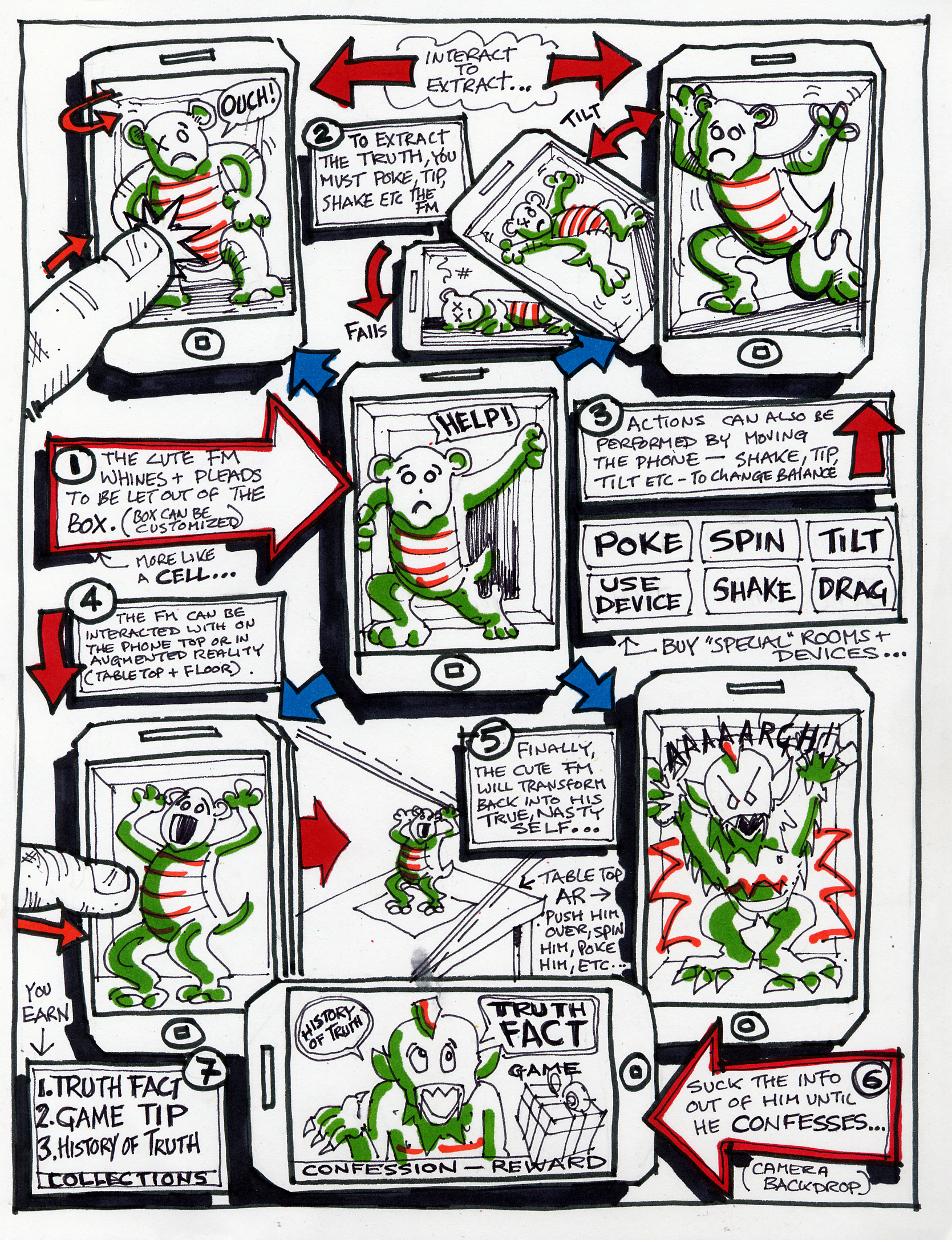
Game project for Truth. An early concept storyboard explores character behavior, touch and device-motion interactions, and a tabletop AR idea.
Flavor Monsters · Concept exploration, not a final game screen. The storyboard proposes poking, tilting and shaking the character to reveal Truth facts and rewards. AR appears here as a concept, not a claim of a shipped feature.
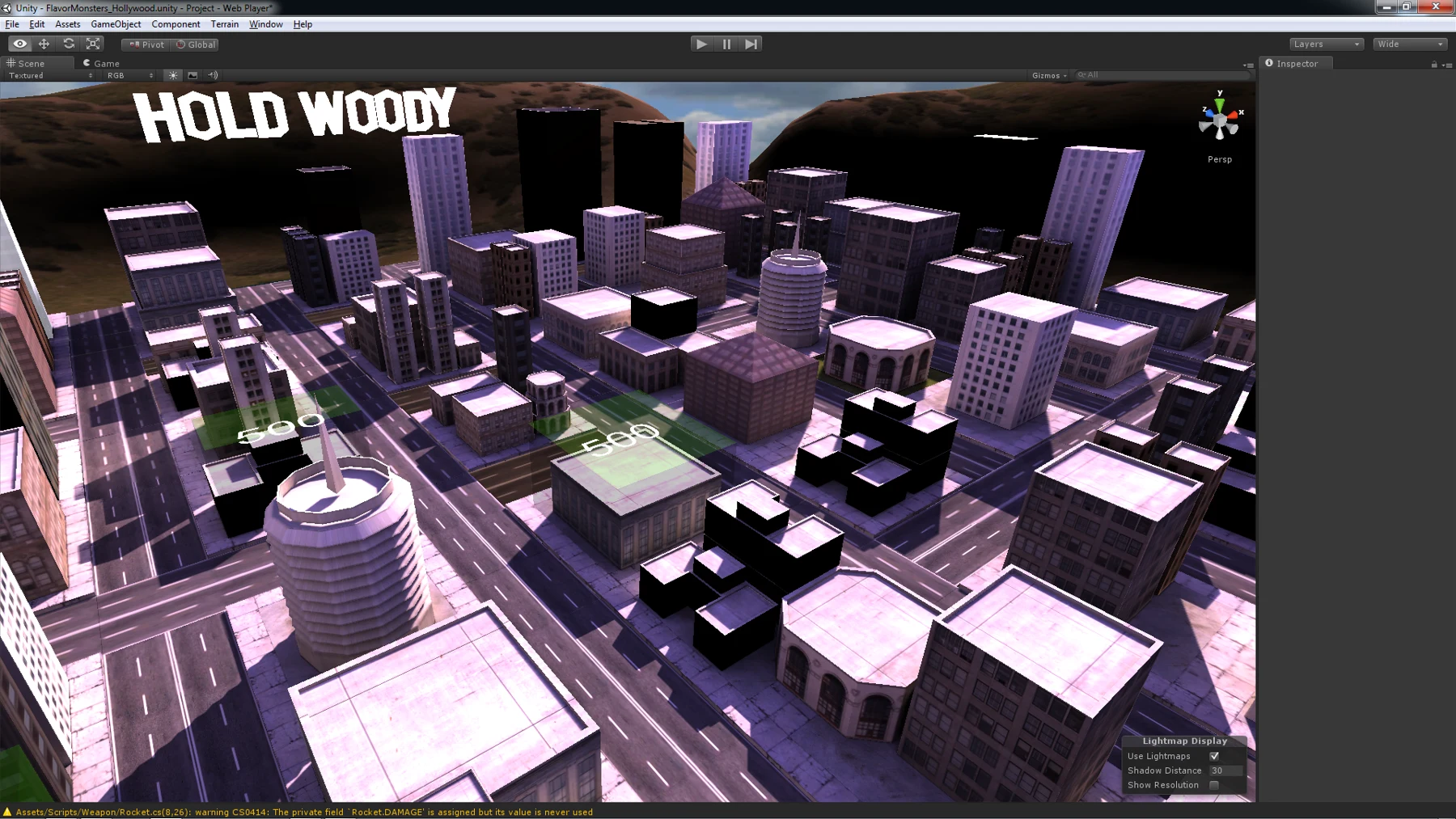
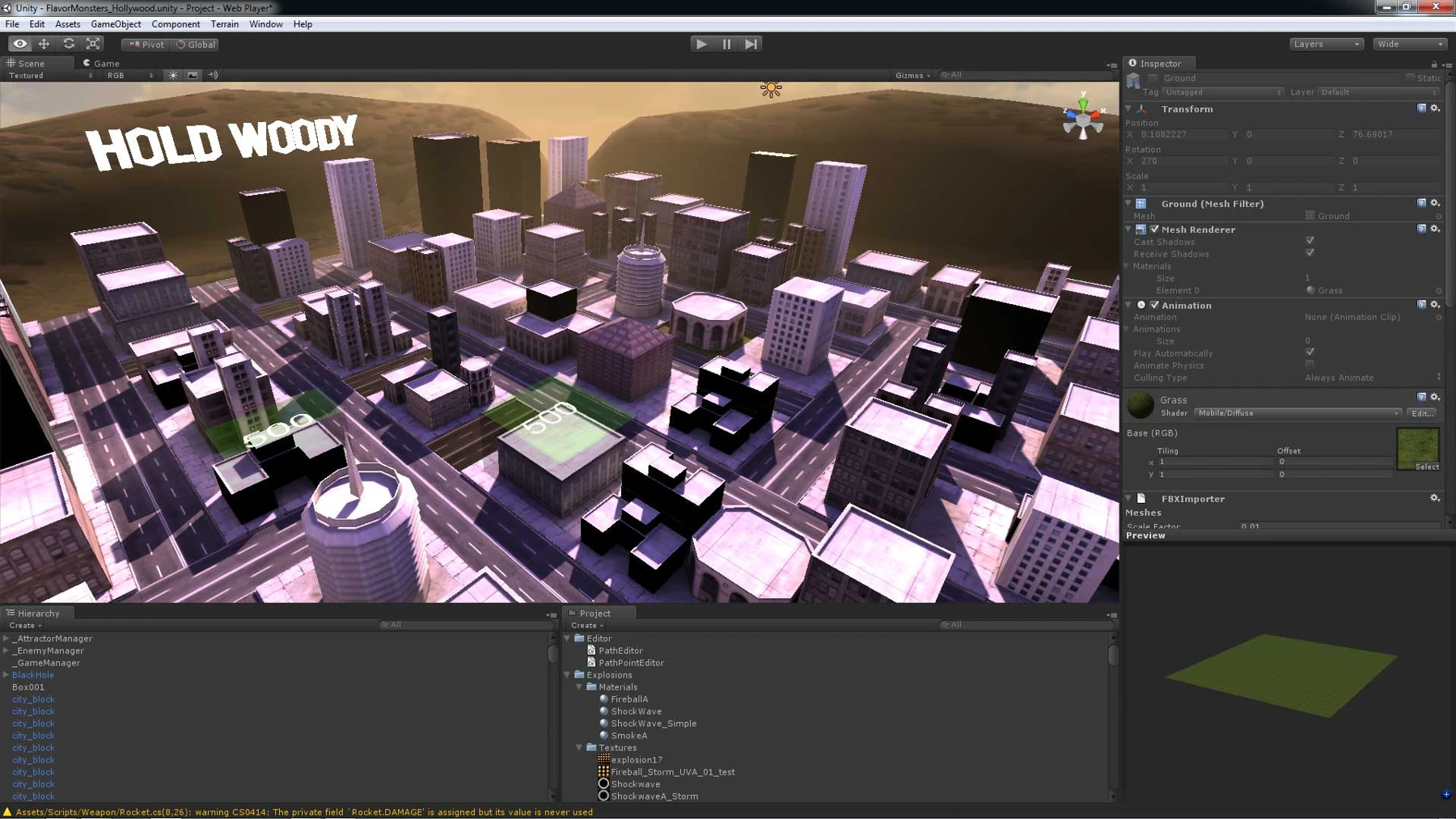
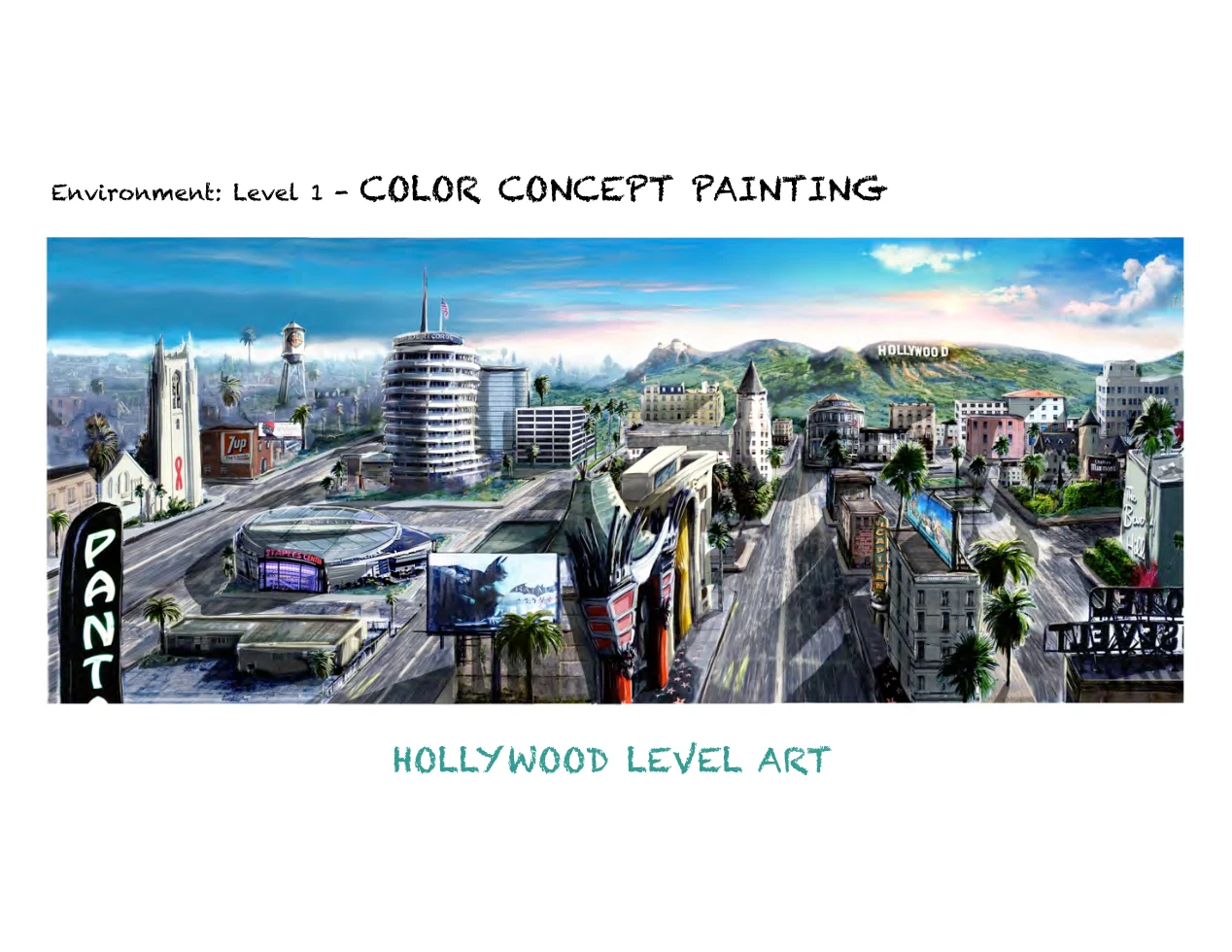
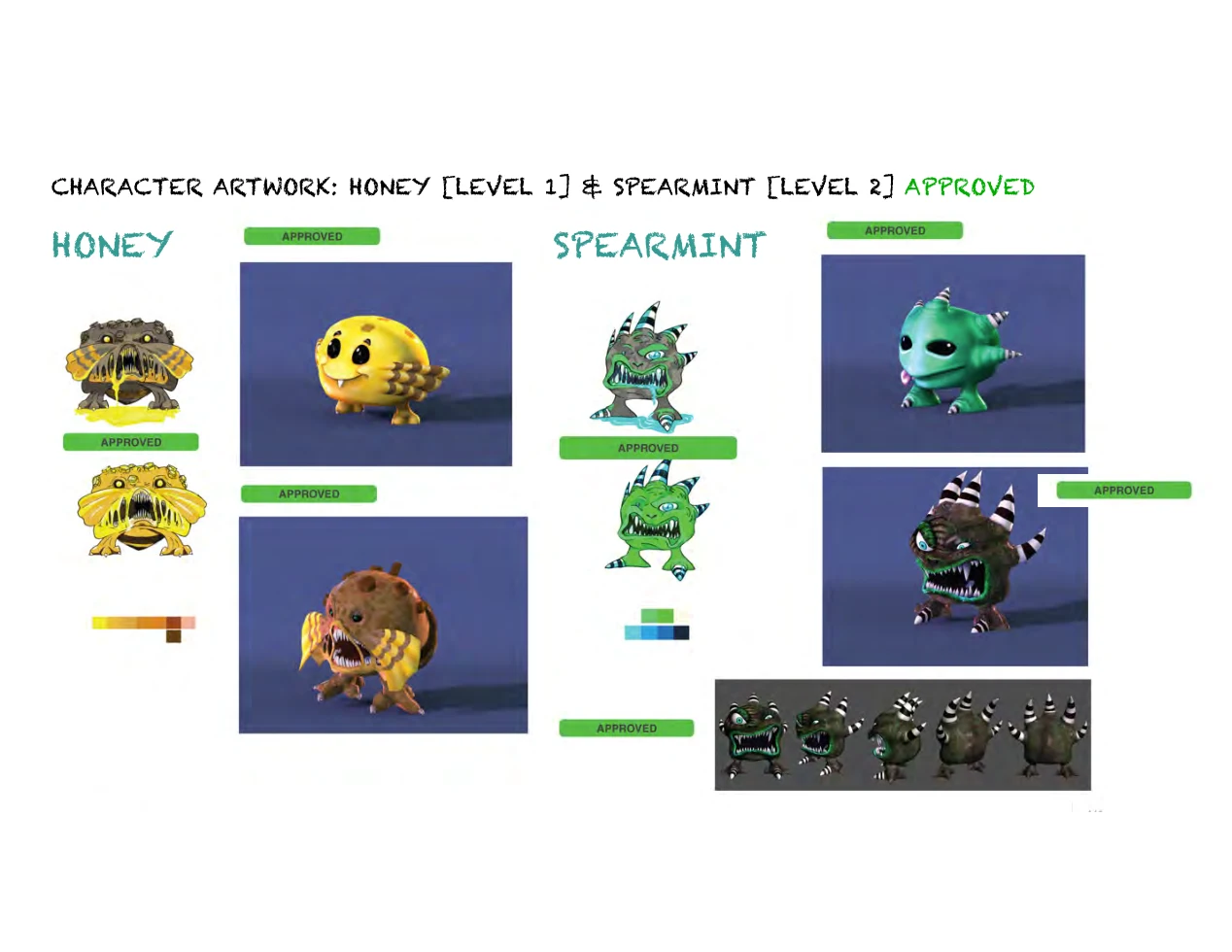
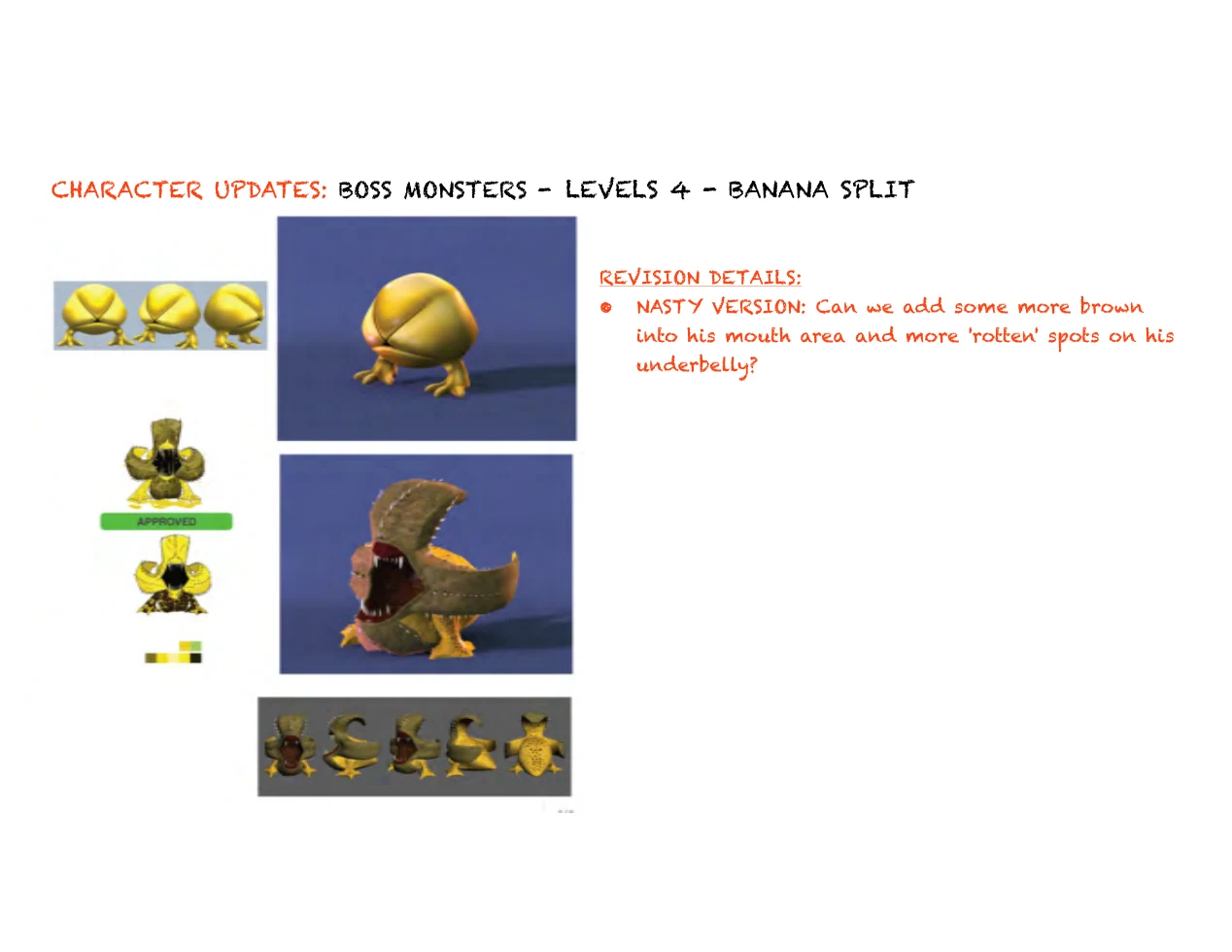
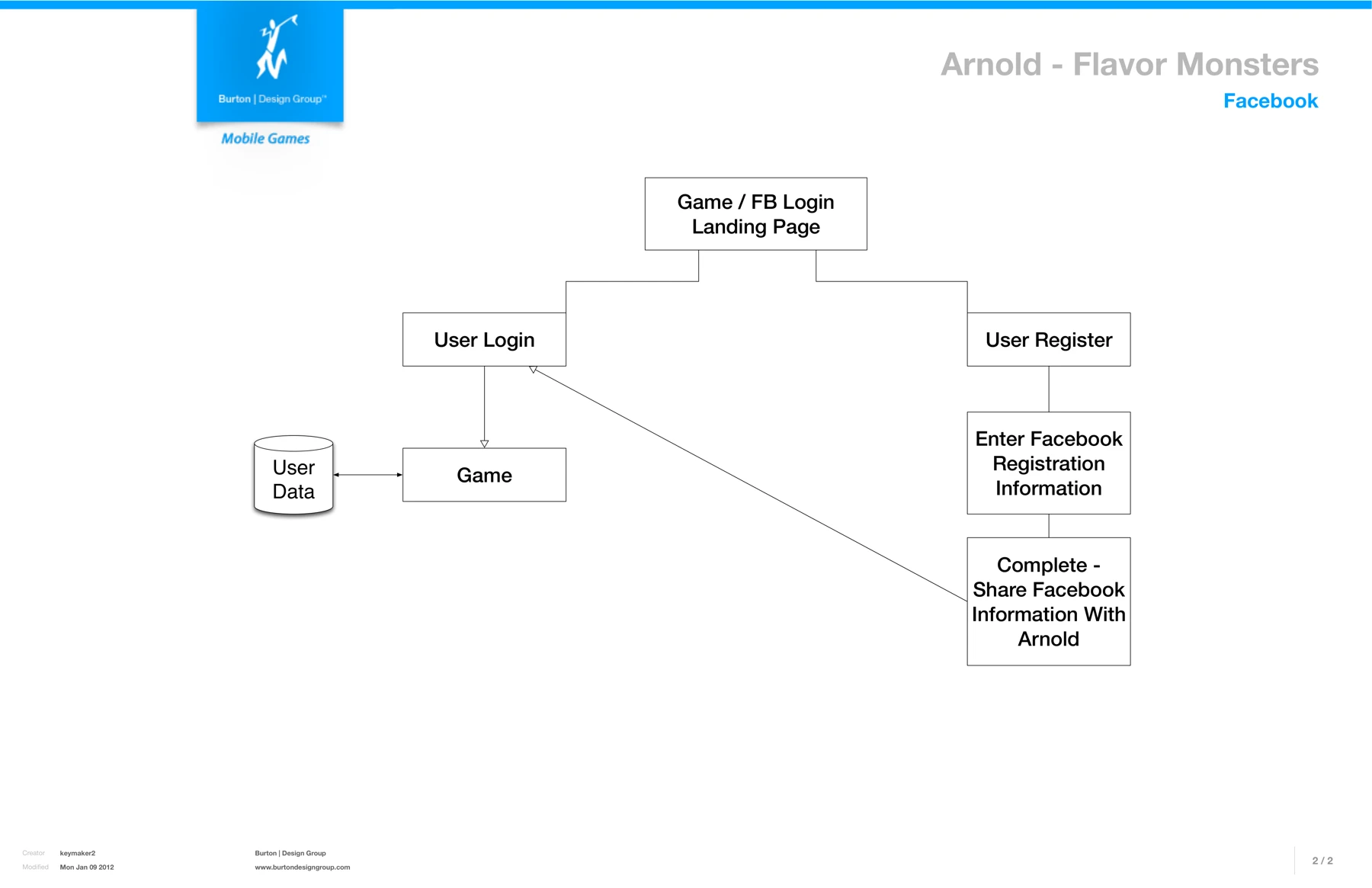
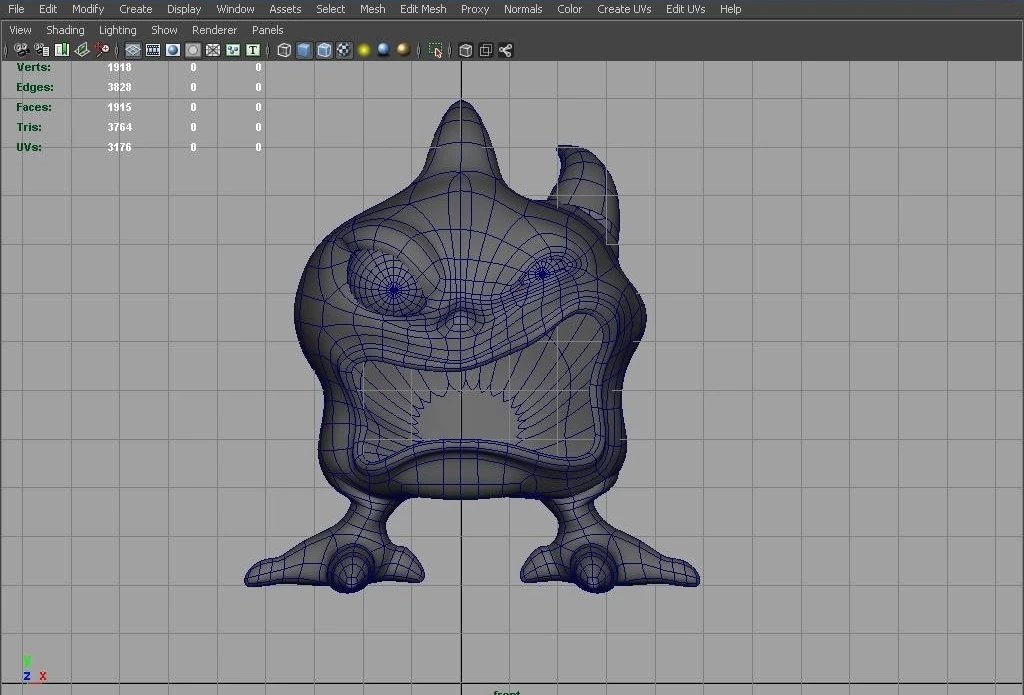
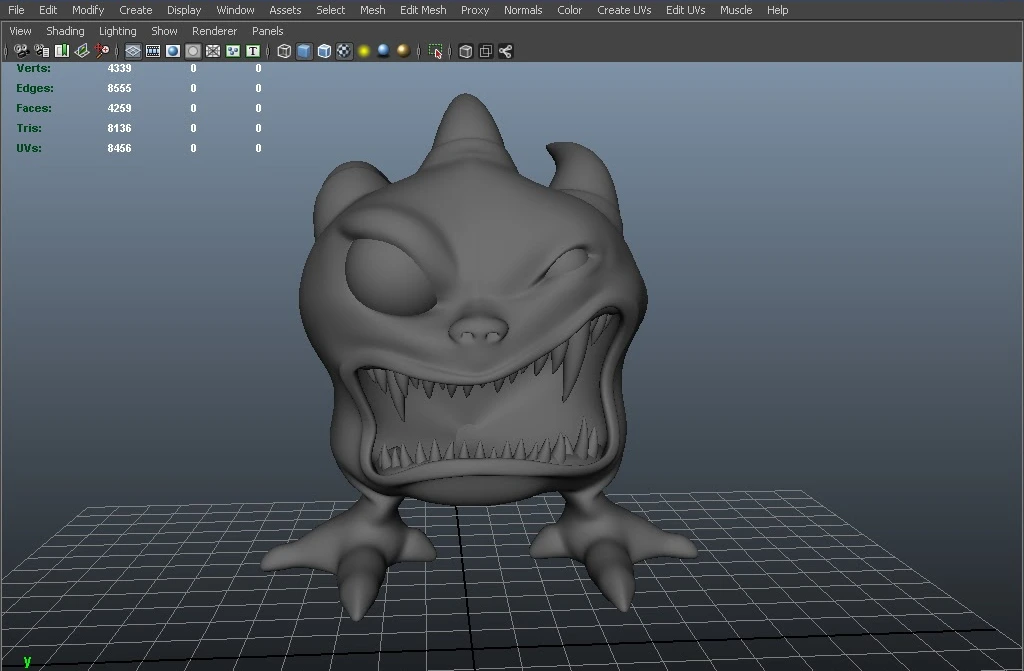
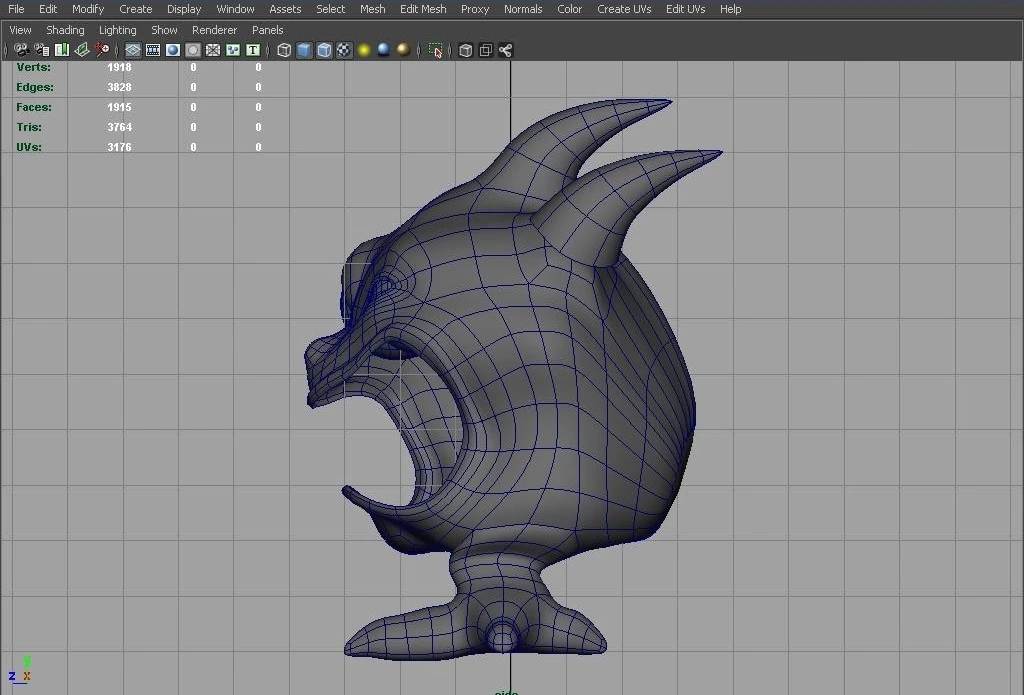
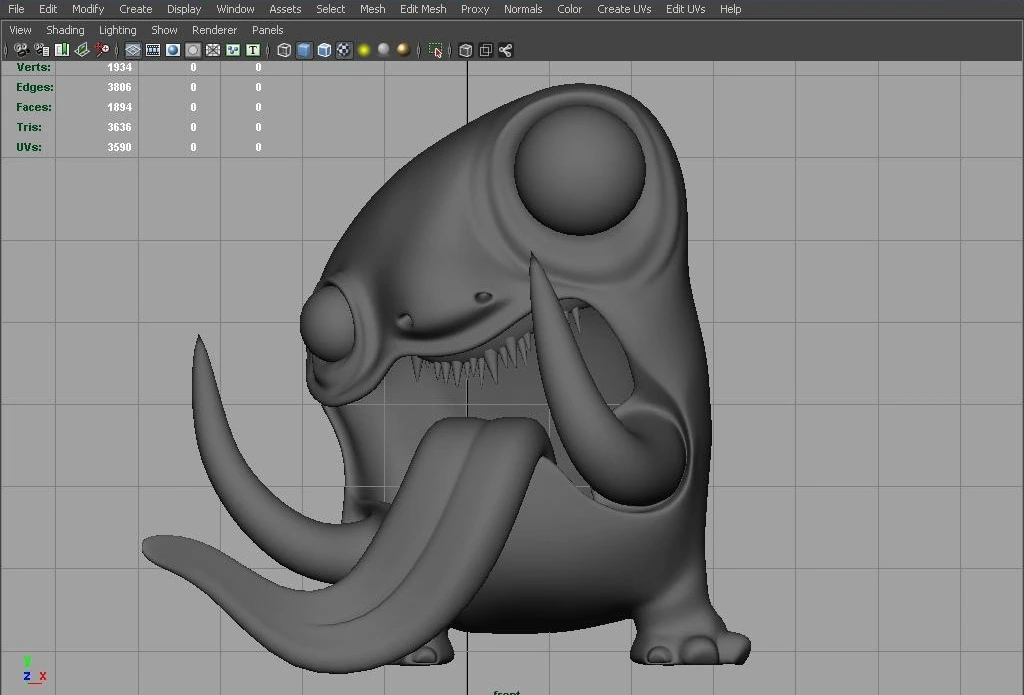
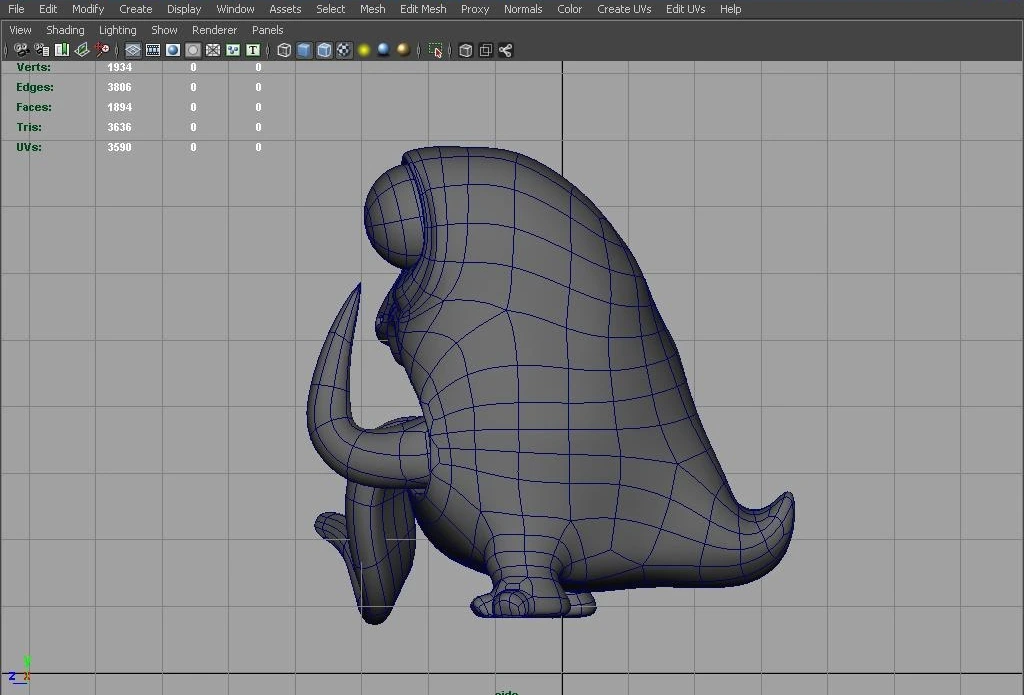
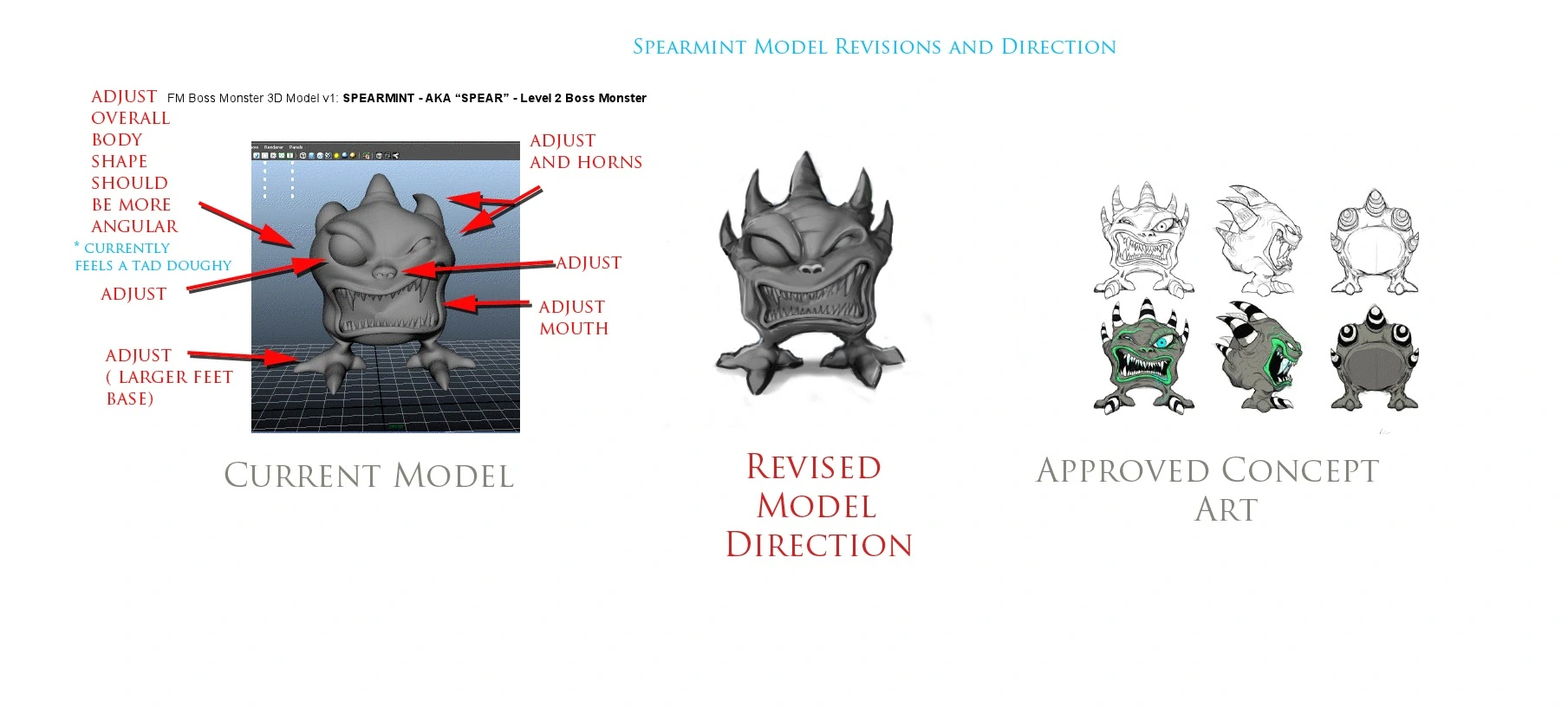
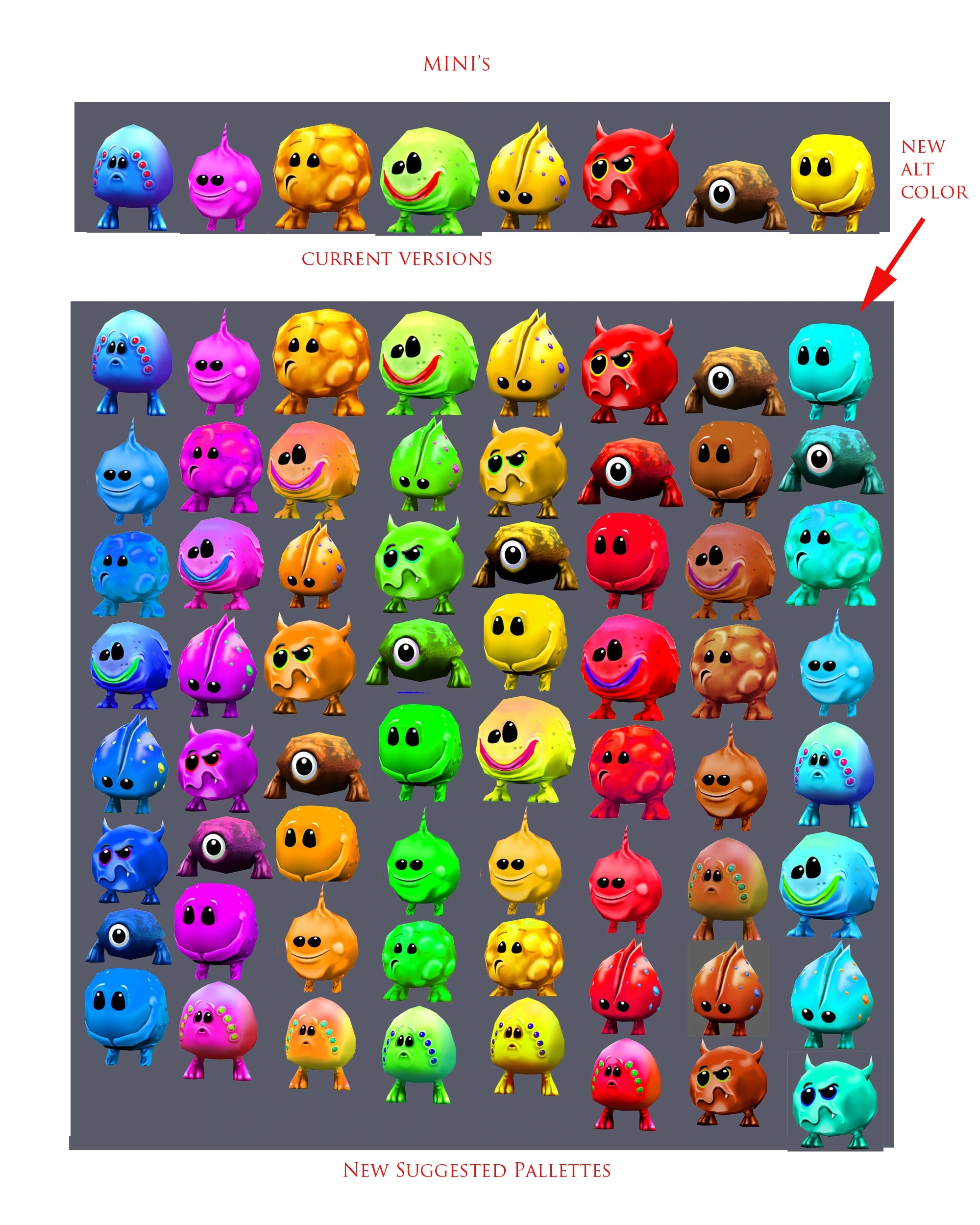
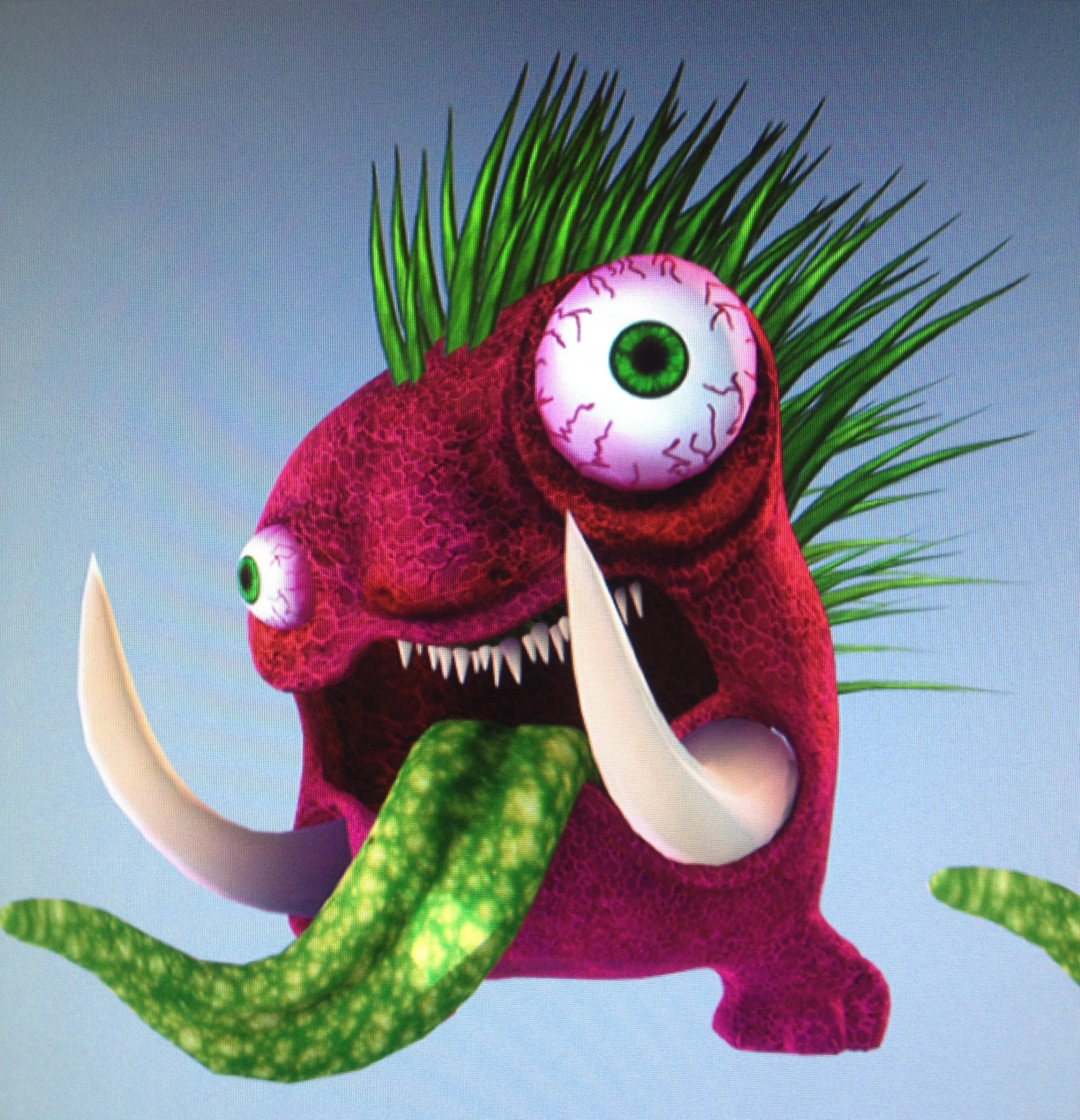
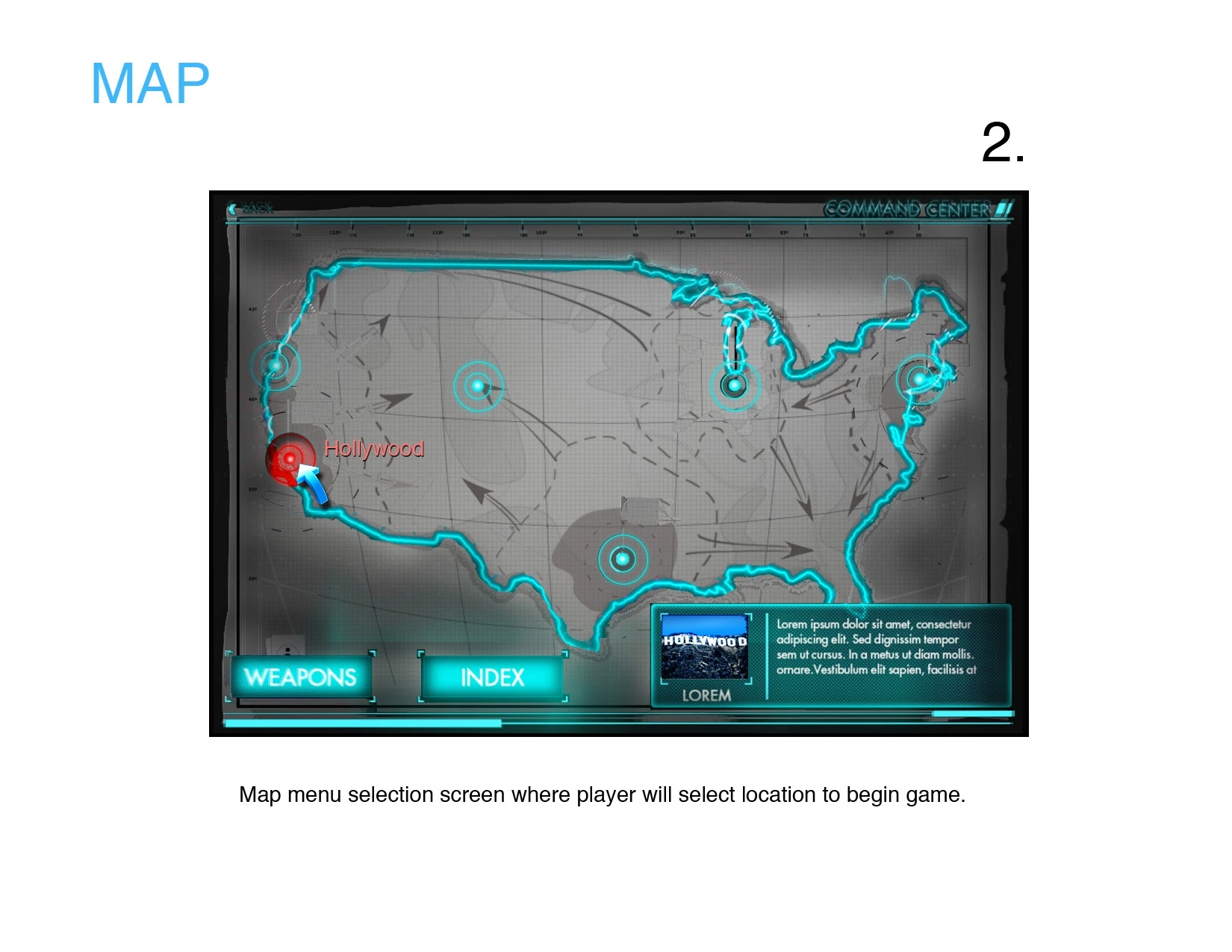
Inside the build. Hollywood environment in the Unity Editor. A work-in-progress view, rather than a final gameplay capture.City layout and scene assembly shown in the development environment.Before the build. Hollywood environment color concept, from the creative review guide.Character development. Honey and Spearmint designs presented in the review guide.Production review. Banana Split boss artwork with revision notes. This is development material, not a final character approval.Planning the social experience. Facebook application flow mapping game access, login and registration. Architecture planning, not a finished interface.Front modeling study: shaded wireframe reveals facial topology and silhouette.Shaded perspective study of an untextured character model.Side modeling study: profile and polygon structure in Maya.Another character modeling concept: asymmetrical eyes, sweeping tusks and a long curling tongue. Untextured shaded view in Maya.Side-profile wireframe study showing the character silhouette and mesh topology. Development artwork, not a final render.Spearmint / model revisions. Level 2 boss development sheet comparing the current model, annotated revision direction and artwork labeled “Approved Concept Art.” The original production notes are preserved.The Minis / color exploration. Eight current character designs compared with suggested palettes. The original “New Alt Color” annotation highlights a turquoise variant; proposed palettes are shown as development exploration, not final approvals.Color and texture study of the tusked character, with magenta skin, green spikes and a spotted tongue. Photographed screen capture; surrounding desktop cropped out.Map-menu concept for selecting a game location, with Hollywood highlighted. The information panel retains its original placeholder text.
Archive material from the Flavor Monsters project for Truth at Burton Design Group. Concepts, review artwork and editor views represent different stages of development; personal responsibilities and creative credits are being documented for the full case study.